


Life can sometimes feel like a series of hurdles, and it’s not unusual to feel overwhelmed, but you don’t have to go through it alone.
Together, we can figure out the steps toward a brighter, more balanced future
At Dragonfly Counselling, we walk alongside you, offering a safe and supportive space where you can explore your feelings, understand yourself more deeply, and move toward the life you want.
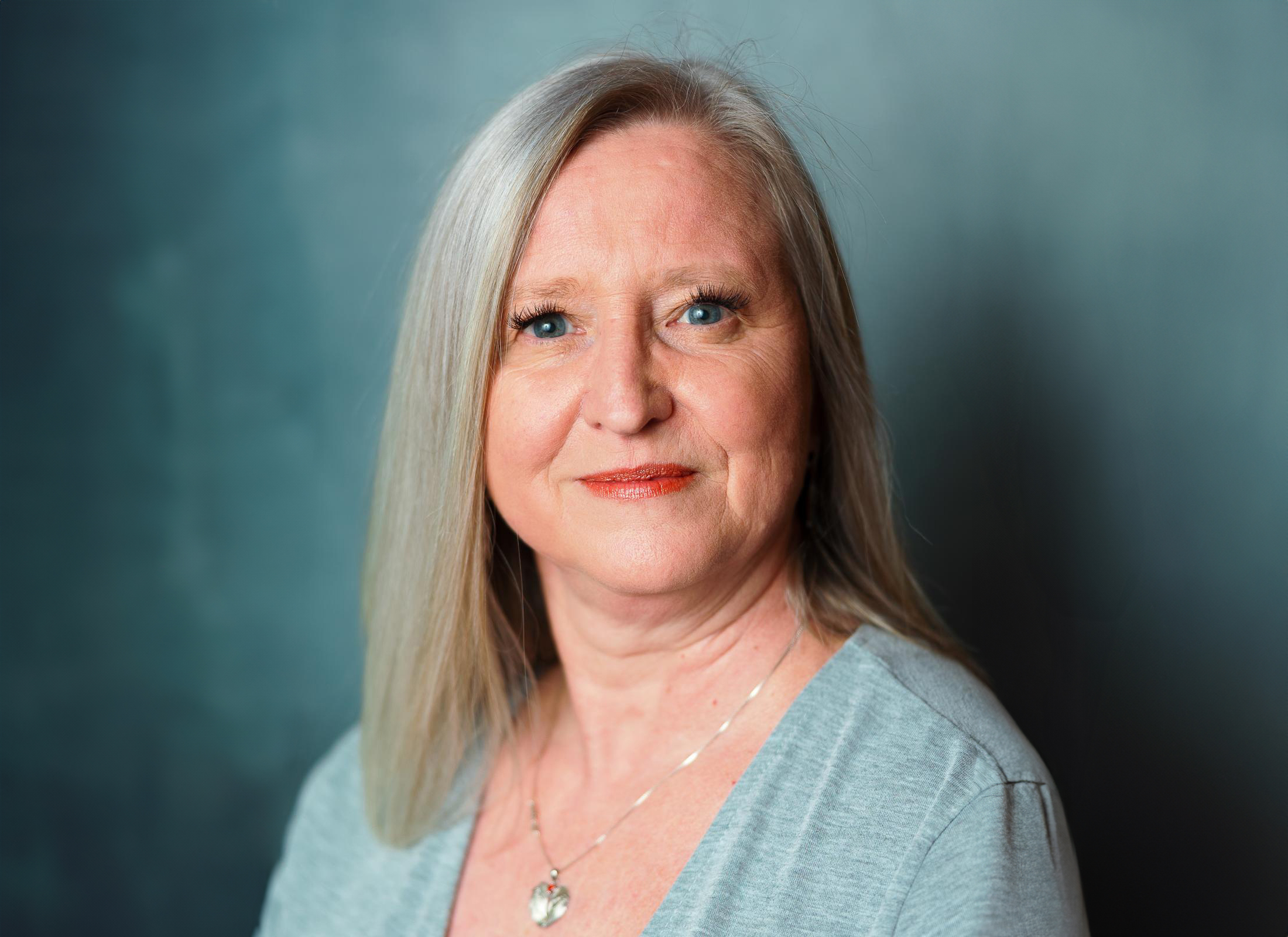
Whether you’re struggling with work stress, facing relationship challenges, experiencing grief, or feeling overwhelmed by life’s everyday pressures, I’m here to listen, understand, and support you every step of the way.
At Dragonfly Counselling, based in York, you’ll find a warm, compassionate, and non-judgmental space where you can freely explore your thoughts, emotions, and challenges.
You are the expert of your own life, and my role as a person-centred counsellor is to support you in finding your own path forward. In therapy, it’s not about someone giving you solutions or telling you what to do—it’s about creating the space for you to be heard, reflect, and discover your own insights.
Together, we’ll work at your pace, focusing on what feels most important to you. This non-directive approach means that you have full control over the direction of our work, and we’ll move forward in a way that feels right for you.
Whatever you’re facing, I’m here to listen to your story, support you in exploring your needs, and help you discover the steps you want to take towards a brighter, more balanced future.
‘We can’t always choose the music life plays for us, but we can choose how we dance to it.’

Empowering you to achieve your goals and live your best life
Reflections from the Counselling Room


